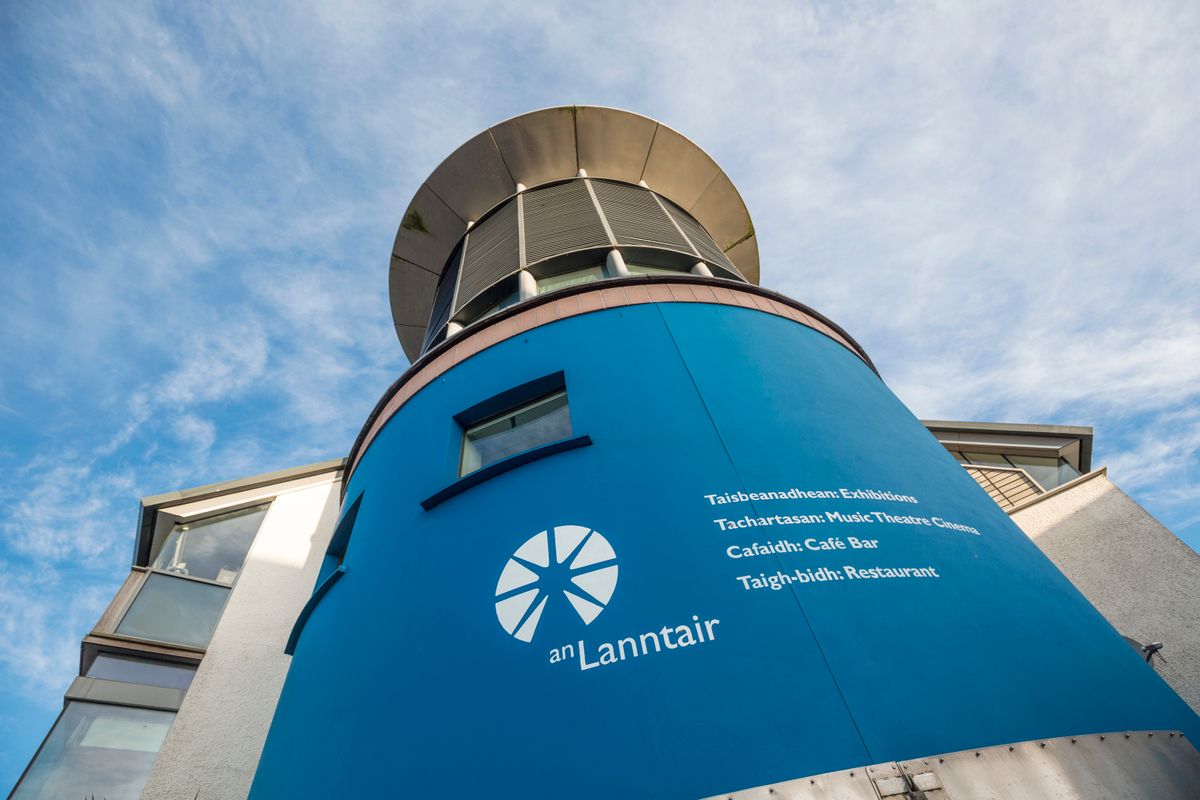
An Lanntair Arts Centre and Cinema
Outer Hebrides
Discover Gaelic in the Outer Hebrides, where the language remains interlaced into everyday island life. Across Lewis, Harris, Uist and Barra, experience a living culture shaped by crofting traditions, music, storytelling and strong community ties. From ancient standing stones and traditional blackhouses to contemporary arts venues and local festivals, the islands offer a deep connection to Scotland’s Gaelic heritage against a backdrop of extraordinary coastal scenery.
Calanais Standing Stones & Visitor Centre, Isle of Lewis
Museum & Tasglann nan Eilean & Gearranan, Isle of Lewis
Sgoil Shamhraidh | Ceòlas, South Uist
An Lanntair, Isle of Lewis
Ness Historical Society - Isle of Lewis | Comunn Eachdraidh Nis
Taigh Chearsabhagh Museum & Arts Centre, North Uist
Kisimul Castle, Barra (tours returning late summer 2026)
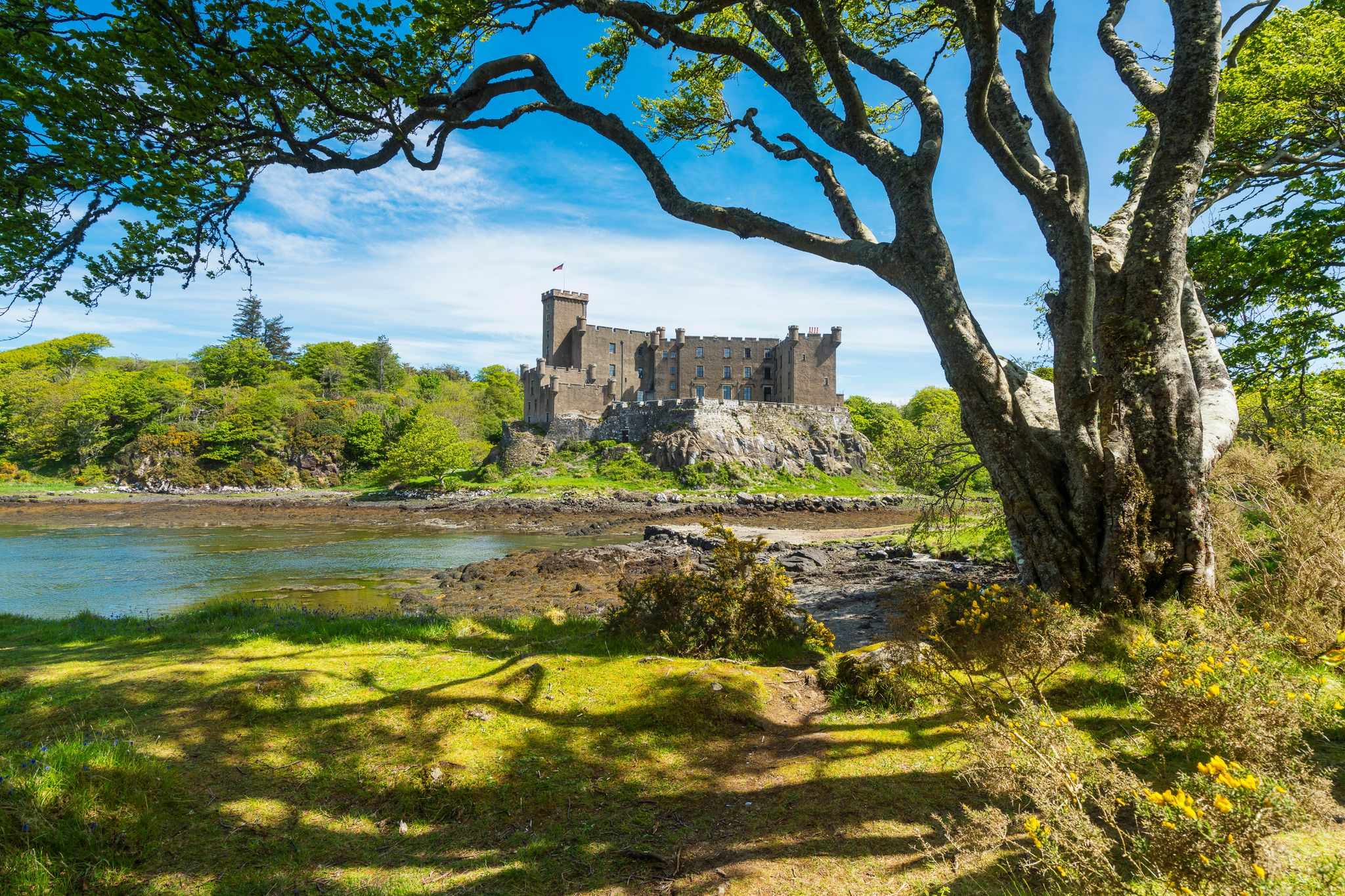
Dunvegan Castle and Gardens
Skye
Experience Gaelic culture across Skye, where dramatic landscapes, local traditions and island heritage remain closely connected to the language. Explore castles, museums, community cafés and cultural centres while discovering the stories, poetry and traditions that continue to shape island life today. From the Cuillin mountains to quiet coastal townships, Gaelic remains an important part of Skye’s identity and sense of place.
Dunvegan Castle, Skye
Sabhal Mòr Ostaig Gaelic Poetry Path , Skye
Café Cùil, Skye
Carmina Gadelica, Portree
Sunrise over the Isle of Lismore
The Highlands & Argyll
Gaelic has long shaped the landscapes, traditions and place names of the Highlands and Argyll. Explore ancient sites, museums, castles and nature-based experiences that offer a deeper insight into the region’s rich cultural heritage. From Argyll’s historic coastal kingdoms to the glens and forests of the Highlands, discover how Gaelic language, music and traditions continue to leave their imprint on the region today.
Dundreggan Rewilding Centre, Glenmoriston
Kilmartin Glen & Kilmartin Museum, near Oban
Lismore Gaelic Heritage Centre
Dunollie Castle, Oban